If you have ever bought a clear phone case, you already know how this story usually ends: crisp and transparent for the first few weeks, then slowly, unmistakably yellow. It happens to clear cases at almost every price point. Here is what causes it and what a well-engineered case does differently.
Why clear phone cases turn yellow
Most clear phone cases are made from TPU (thermoplastic polyurethane) or a soft polycarbonate blend. These materials can be transparent, but standard formulations are vulnerable to ultraviolet light, oxygen, heat, and skin oils.
Sunlight can break down polymer chains through a process called photo-oxidation. The chemical by-products of that reaction create the yellow or amber tint that becomes visible over time. Heat from your phone, your hand, and your pocket can accelerate the process.
This is why price alone does not guarantee clarity. Unless the material has been engineered specifically to resist UV exposure and oxidation, yellowing is likely.
What actually slows yellowing
Two material choices matter most: a UV-stable polymer formulation and protection against oxidation. UV stabilizers help the material resist the light-driven reaction that causes discoloration. Anti-oxidation technology reduces the second major source of polymer degradation.
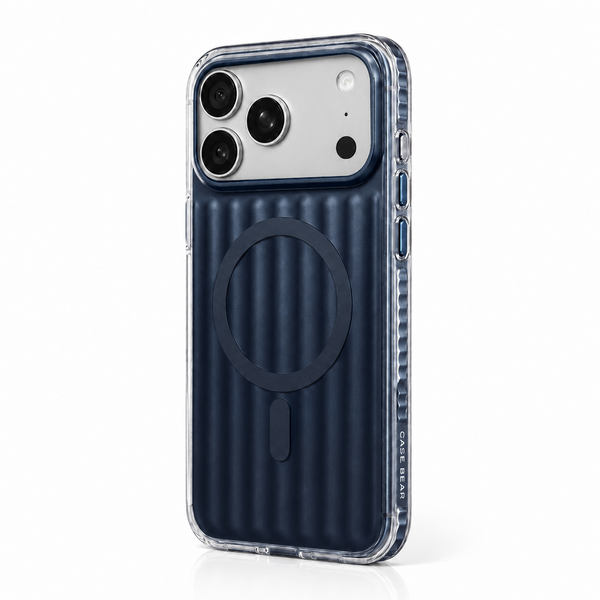
CaseBear anti-yellow clear cases use UV-stable optical polymer engineered for long-term clarity. They are designed to preserve the clean appearance of the device while providing reinforced corner and camera protection for everyday use.
What to check before buying a clear case
- Material specification: Look for UV-stable or anti-yellowing material, not only "clear TPU."
- A stated guarantee: A clear guarantee gives you something measurable beyond marketing language.
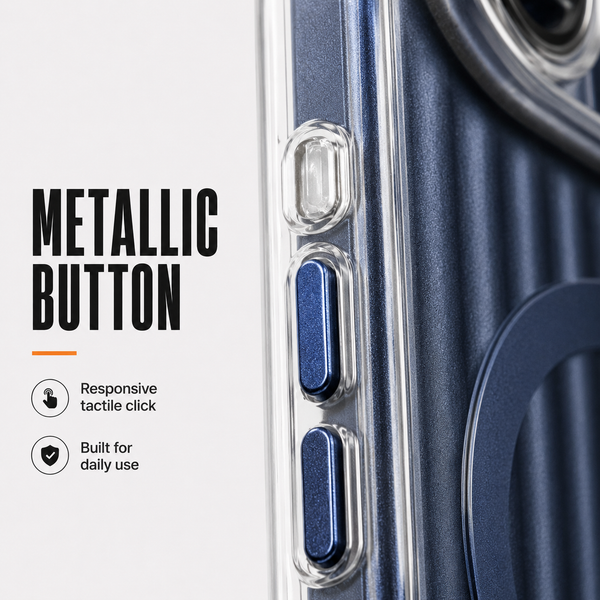
- Camera and corner protection: Raised edges and reinforced corners matter when the phone is dropped.
- MagSafe compatibility: If you use magnetic charging or mounts, check that the ring is aligned and strong enough for daily use.
- Accurate model fit: Camera openings, buttons, speakers, and charging ports should match your exact iPhone model.
Can you clean yellowing out of a clear case?
Surface dirt and oil can be cleaned with mild soap and water. However, true yellowing happens inside the polymer itself. Once the material has chemically changed, household cleaners cannot return it to its original clarity. Harsh chemicals may make the case brittle or cloudy.
The bottom line
Yellowing is not random. It is a predictable material reaction that can be reduced through better polymer engineering. A clear case should protect your phone without hiding its design or looking worn after a few months.
Explore CaseBear anti-yellow clear cases for model-specific protection designed to stay clear.
A practical way to keep a clear case looking better
Yellowing is not caused by one single factor. Clear case materials can change appearance after repeated exposure to ultraviolet light, warmth, skin oils, cosmetics and airborne residue. The rate varies with the polymer blend, how the case is used and the environment around it. A transparent case that spends most of its time indoors may age differently from one used daily in strong sun and heat.
Cleaning helps with surface residue, but it cannot reverse a permanent change within the material. Remove the phone first, then wipe the case with a soft damp cloth and a small amount of mild soap. Avoid harsh solvents, bleach, abrasive powders and very hot water because they can cloud, scratch or weaken the finish. Dry the case fully before putting it back on the device.
When comparing products, look for clear descriptions of the materials, finish and warranty instead of treating any anti-yellow statement as a promise that appearance can never change. CaseBear designs its clear cases to resist everyday discolouration while preserving device visibility, but actual results still depend on care, climate and exposure. Replace a case if it becomes cracked, loose or distorted, because fit and impact protection matter more than cosmetic clarity alone.
Storage and inspection matter as well. Do not leave a clear case pressed against a hot dashboard or window for long periods, and avoid storing it while damp. Every few weeks, remove the case and check the corners, camera rim, button openings and charging port for trapped grit. Fine particles can mark the phone or case when they move under pressure. A visible colour shift alone does not prove that a case has lost all protective value, but a loose fit, split corner, warped edge or damaged button area is a stronger reason to replace it. Photographing the case in neutral daylight when it is new can also provide a more reliable comparison than judging it under changing indoor light.


About the author
CaseBear Editorial
CaseBear Editorial tests materials, fit and everyday usability to help customers choose with confidence.
Sources and review
Product-specific claims are reviewed against current CaseBear specifications. General guidance is educational and may vary by device and use.