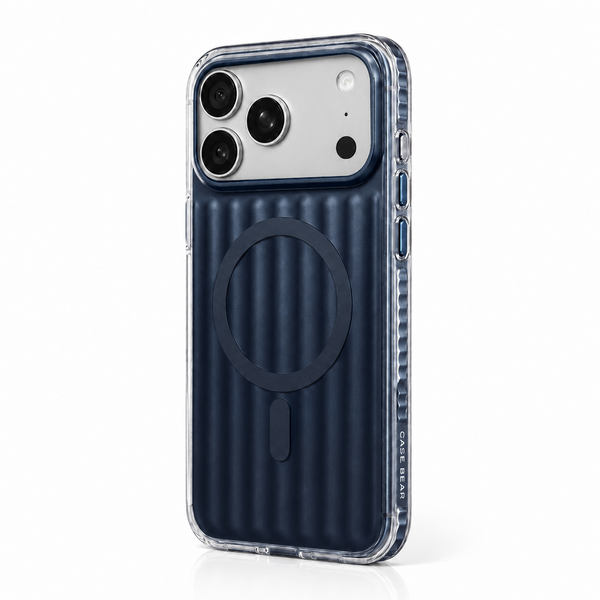
The material of a phone case affects almost everything you notice in daily use: grip, thickness, appearance, cleaning, flexibility, and how the case responds when it hits the floor. Leather, silicone, and TPU can all make excellent cases, but they solve different problems. The useful question is not which material is universally best. It is which one best matches your habits.
Leather: character and a refined feel
Leather is chosen for its tactile warmth and the way it develops character over time. Unlike a perfectly uniform plastic surface, natural leather can show subtle changes in tone and texture. Many people enjoy that patina because it makes the case feel personal rather than factory-fresh forever.
A well-made leather case also feels structured and comfortable in the hand. It can move easily between a work setting and everyday use without looking overly technical. The trade-off is that leather needs a little care. Water, oils, direct heat, and rough surfaces can mark it. Those changes are normal for a natural material, but they may not suit someone who wants a case to look exactly the same after months of use.
Choose leather if you value a premium hand feel, understated styling, and graceful ageing. Browse CaseBear’s Leather cases for options designed around that quieter, more tailored look.
Silicone: soft grip and easy handling
Silicone is popular because it feels soft, offers reassuring grip, and is comfortable during long periods of use. It can reduce the slippery feeling of a bare glass phone and makes the device easier to pick up from a table. Flexible edges also help with installation and removal.
The same grippy surface can collect pocket lint or dust, especially when the case is new. Depending on the finish, silicone may also show oils from hands until it is wiped clean. Quality matters: a well-finished surface feels smooth without becoming slick, while poorly finished silicone can feel sticky or wear unevenly.
Choose silicone if grip and softness matter more than a rigid, ultra-slim feel. It works particularly well for people who frequently use their phone one-handed or want a forgiving everyday surface.
TPU: flexible, practical, and versatile
Thermoplastic polyurethane, usually shortened to TPU, sits between rubber and rigid plastic. It can flex enough to wrap around the phone while keeping enough structure to protect edges and corners. That combination makes TPU common in clear cases, protective bumpers, and multi-material designs.
TPU can absorb and spread some impact energy, and its flexibility helps a case stay fitted around the device. Clear TPU also allows the phone colour to remain visible. However, conventional clear formulations can change colour after exposure to ultraviolet light, heat, skin oils, and environmental contaminants. Material formulation, coatings, and care all influence how quickly that change becomes visible.
If clarity is the priority, look at CaseBear’s Anti-Yellow cases. “Anti-yellow” should be understood as a design approach that improves resistance to discolouration, not a promise that any transparent polymer is immune to every environment forever.
Rigid plastics and hybrid construction
Many cases are not made from a single material. A rigid polycarbonate back can help a case hold its shape and resist scratches, while a TPU perimeter adds flexibility and impact absorption. Leather may be wrapped over a supporting shell. Silicone can be combined with an inner structure or soft lining.
These hybrid constructions let designers tune different areas for different jobs. Corners need controlled flexibility, the back may need rigidity, and the button covers need precise movement. When comparing cases, pay attention to the complete build rather than judging only by the material named in the product title.
Which material fits your routine?
- Choose leather for a refined look, warm feel, and a surface that develops character.
- Choose silicone for soft grip, easy handling, and a comfortable everyday texture.
- Choose TPU for flexible protection, clear styles, and practical versatility.
- Choose a hybrid when you want a deliberate balance of structure and impact absorption.
Details matter more than labels
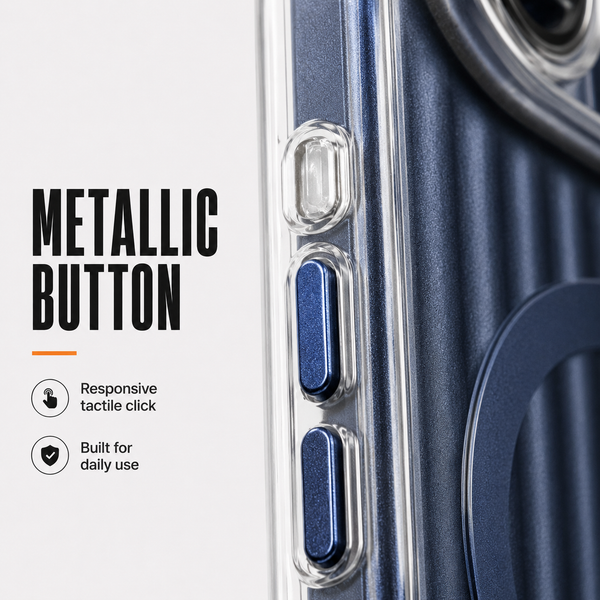
Whatever material you choose, check the fit around the screen, camera, buttons, speakers, and charging port. Raised edges should protect vulnerable surfaces without interfering with gestures or photography. The case should not bow away from the phone, and buttons should respond without excessive force.
Also consider cleaning. Leather generally benefits from gentle, material-appropriate care. Silicone and TPU can usually be wiped with a soft damp cloth and mild soap, then dried before reinstalling. Always follow the product-specific guidance and avoid harsh solvents.
The practical takeaway
There is no single winner because materials express different priorities. Leather makes the phone feel more like a personal accessory. Silicone emphasizes comfort and grip. TPU offers flexibility and broad design freedom. Start with how you use the phone, then choose the feel and protection that support that routine. A case you enjoy holding every day is more useful than one selected only from a specification list.


About the author
CaseBear Editorial
CaseBear Editorial tests materials, fit and everyday usability to help customers choose with confidence.
Sources and review
Product-specific claims are reviewed against current CaseBear specifications. General guidance is educational and may vary by device and use.