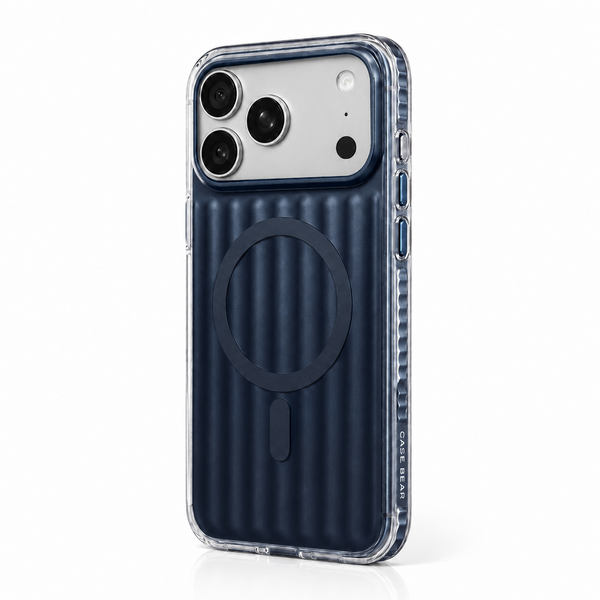
A minimal iPhone case is not simply a case with less decoration. The best minimal designs reduce visual noise while keeping the parts that matter: a precise fit, useful edge geometry, accessible controls and a surface that feels secure in the hand.
This guide helps you compare slim, premium-looking iPhone cases without confusing minimal design with missing protection. It also explains how clear, gradient, ribbed and leather-finish cases can each create a different kind of understated look.
What makes an iPhone case look minimal?
Minimal design is usually the result of several quiet decisions rather than one dramatic feature. Look for a controlled colour palette, consistent edge thickness, a camera surround that follows the phone and branding that does not compete with the device.
A useful minimal case often has:
- A clean back with no unnecessary shapes.
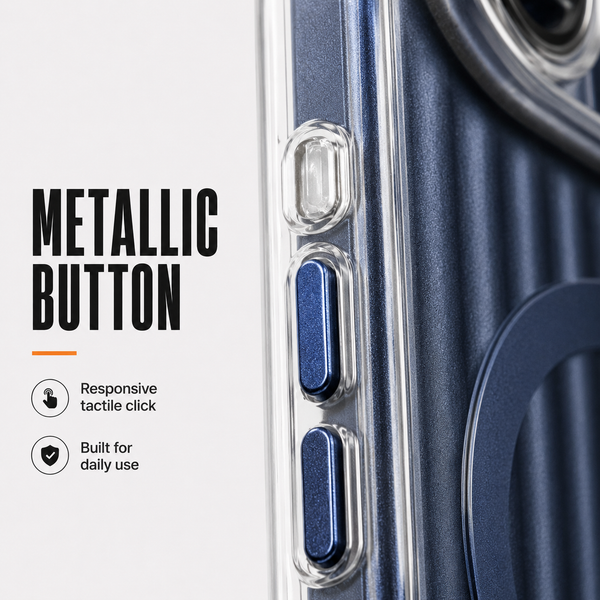
- Precise openings and neatly integrated controls.
- A slim profile that does not make the phone feel wider than necessary.
- A raised camera edge designed as part of the form.
- A material finish that remains intentional under normal handling.
Minimal does not have to mean invisible. Texture, a translucent fade or a leather-finish surface can create character while keeping the overall composition restrained.
Minimal does not mean unprotected
An ultra-thin shell and a carefully designed slim case are not automatically the same. Inspect the corners, camera edge and screen perimeter. A small amount of additional material in the right place can be more useful than uniform bulk around the entire phone.
Case specifications should be read as a system. Raised edges matter only if they are shaped around the device. Grip matters only if the phone remains comfortable to hold. Precise cutouts matter only when they match your exact model. For a deeper explanation, read the phone case drop protection guide.
Four approaches to a minimal CaseBear look
1. Clear and almost invisible
A transparent case keeps the original phone colour visible. It is the most direct option when you want the device itself to lead the design. Compare the Anti-Yellow Clear collection for slim transparent cases with a raised camera edge and model-specific fit.
2. Translucent gradient
A grey or coloured fade adds depth without covering the phone with a printed graphic. The Gradient MagSafe collection pairs that subtle surface with a visible magnetic ring, which becomes part of the design rather than something hidden.
3. Quiet texture
Vertical ribbing can make a single-colour case feel considered while also changing the hand feel. The Ribbed MagSafe collection is a useful choice when you want tactile detail without a loud pattern.
4. Tailored leather finish
A leather-finish case creates a more formal, accessory-like appearance. Restrained colours and machined controls can suit office use, travel or a structured everyday carry. Browse Leather Classic for current model and colour options.
How to choose a premium-looking case
"Premium" is often used too loosely. Instead of judging the word, inspect the evidence in the product presentation. Good photography should show the camera area, side controls, corners and material texture. The product title should identify the exact device. The copy should explain the finish and construction without relying on impossible guarantees.
| Your priority | Minimal direction to compare | Watch for |
|---|---|---|
| Show the phone colour | Clear | Edge clarity and fit |
| Add subtle depth | Gradient | Fade consistency and ring position |
| Improve tactile feel | Ribbed | Texture and side comfort |
| Create a tailored look | Leather finish | Button construction and surface detail |
Choosing for work, travel and everyday use
For office use, a black, grey, deep-blue or brown case usually integrates easily with a laptop bag and formal clothing. For travel, a secure grip and easily located controls may matter more than the thinnest possible shell. For everyday use, choose the material you will actually enjoy touching and maintaining.
Minimal design works best when it supports your routine. A clean-looking case that feels slippery is not a good match for one-handed use. A heavily textured case may not be ideal if you want it to slide easily into a tight pocket. The useful answer depends on how the phone moves through your day.
Do not forget the inside of the case
The exterior creates the visual impression, but the inner fit keeps the phone seated. Check whether the product imagery or description explains how the case meets the camera surround, corners and side controls. A clean outer surface should not come at the cost of a loose edge or an uneven opening. The simplest-looking products often depend on the most disciplined tolerances because there is little decoration to hide a mismatch.
Common minimal-case mistakes
- Choosing a generic case that does not name the exact model.
- Assuming the thinnest case offers the best balance for every user.
- Ignoring the camera edge because the back image looks clean.
- Buying from a single stylised photo that hides the sides.
- Using "premium" as a substitute for checking materials and construction.
Quick answers
What is the best minimal iPhone case?
The best option matches your exact model and balances the look you prefer with camera-edge coverage, accessible controls and comfortable grip.
Can a clear case look premium?
Yes. Clean fit, even edges and restrained detailing can make a transparent case feel deliberate without covering the phone colour.
Are minimal cases always thin?
They are usually visually restrained, but the useful thickness depends on edge geometry, material and how much protection you want.
Which minimal case works best for grip?
A ribbed or otherwise textured surface can provide clearer tactile feedback than a completely smooth back. Comfort remains personal, so compare the texture and side shape.
Compare all CaseBear phone cases or use the device picker to start with your phone model.


About the author
CaseBear Editorial
CaseBear Editorial tests materials, fit and everyday usability to help customers choose with confidence.
Sources and review
Product-specific claims are reviewed against current CaseBear specifications. General guidance is educational and may vary by device and use.